
Monday 26th Oct, 2026
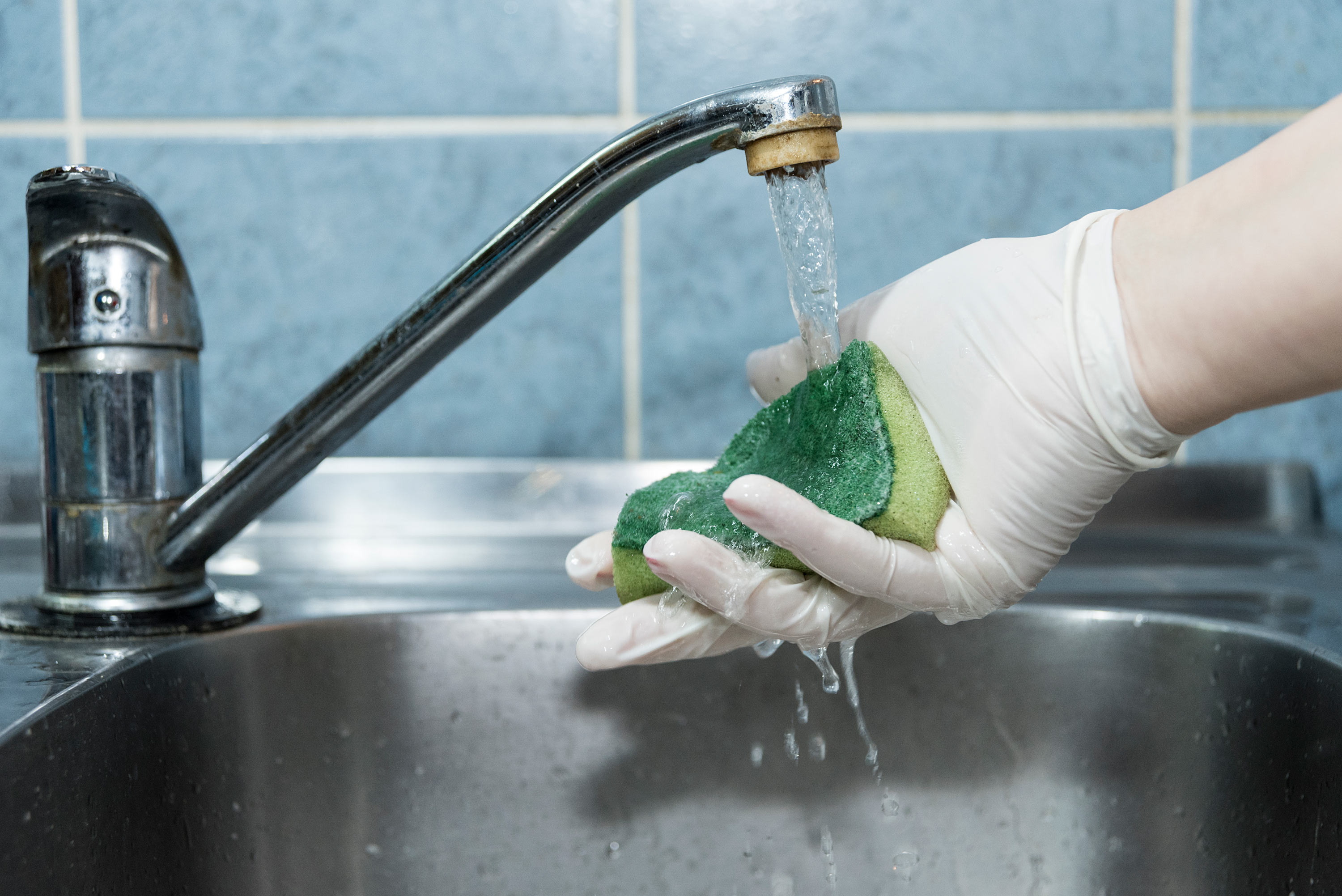
The kitchen sponge is one of the squishiest and smelliest things in the kitchen’s cleaning apparatus. It is a universe of bacteria and more bacteria, with 82 billion bacteria in just a cubic inch of the sponge! Many have tried finding a way to clean the little mess up by microwaving it, dousing the bacteria in a disinfectant like
Lately, a research had suggested that microwaving a kitchen sponge can rid it of its bacteria but now it seems like they have underestimated the quantity and range of bacteria in the tiny sponge, suggests a study published in Scientific Reports.What exactly happens when you microwave a sponge is that its weak bacteria die but the strong and more resistant bacteria stays. Now, when the weak dies, there is more vacant space to occupy in the sponge. Hence, the stronger one multiplies to occupy all the vacant area. This will make your sponge more stinky and infested by bacteria that’s worse and nastier, said the study.The sponge gets its bacteria through the food remains in the vessels. They get a perfect living condition to thrive as the sinks are wet and warm and the food is nourishing. One microbe called Moraxella osloensis is known to thrive in dirty sponges. It is the one which causes the nasty smell in dirty laundry and the unbearable stench in With such and other risks surrounding a dirty sponge, the more careful amongst us have adopted the habit of disinfecting a sponge, but to no use and only harm. Even if you are not microwaving and using other ways like a disinfectant and washing the sponge in the laundry, chances are that it will only target the weaker bacteria. In So, if you want to make sure that your vessels stay disinfected, it is best to just toss away the old sponge and replace it with a new one every week. If you don’t want to throw it away, you can use it for less hygiene-related purposes, like cleaning the bathroom.